











-500x500-90x90.png "Bravair Clima")
-90x90.png "CHERBROS")
-90x90.png "OMNIPLAST")


-90x90.png "WURTH")

-90x90.png "BENUS")


-90x90.png "Daesung")


-90x90.png "BRAVAIR")












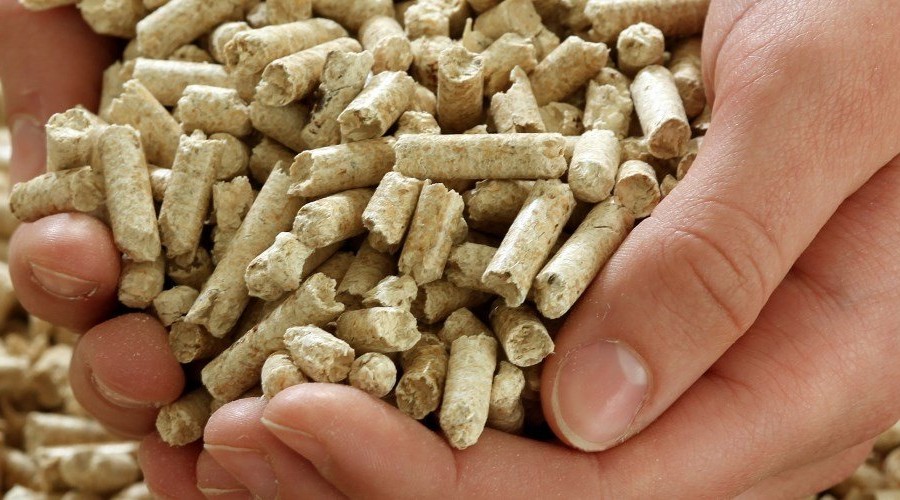
In the vast majority of European countries, there are few or no laws that determine the quality of wood pellets. It is common phenomenon, and the quality regulations of pellets are covered by the legislation that generally governs biomass.
Currently only a few European states, such as Austria, Sweden, Italy and Germany have official standardsexclusively for compressed biomass (such as pellets). For this reason, some of these standards (especially ÖNORM M1735 and DIN plus) enjoy widespread acceptance at a pan-European level, that is, beyond the states their origin. Of the countries with national pellet quality standards, Austria's ÖNORM M1735 is one of the strictest and includes controls on both the product and its production system.
Other states (e.g. Denmark and Finland) have decided to wait and adopt a common European standard in their domestic legislation quality wood pellets, when this is established. Already at the beginning of 2010, the standard EN 14961-1 which generally refers to biomass (and pellets) for industrial uses has been published. The most specialized standard exclusively for wood pellets will be called EN 14961-2 and when it comes into force all individual national quality standards will have to harmonize with it or adopt it within 6 months. The quality standard EN 14961-2 refers to wood pellets intended for non-industrial use and is in the final draft phase. Accordingly, the EN 14961-6 standard, which concerns pellets from biomass, other than wood, is in the preparation phase. Likewise EN 14961-6 will cover non-industrial uses.
In table 1 below, the most widespread quality standards already in force in Europe are presented, as well as the final draft EN-14961-2.
Regardless of the quality system that ultimately prevails, the necessity for certification of the specifications of the pellets is available in order to to ensure the greatest possible absorption of the produced product from the growing pellet market.
Table 1 National quality standards for biomass pellets of Austria, Sweden, Germany and Italy as well as the final draft for common European standard for household wood pellets
|
Προδιαγραφές
|
Μονάδες Μέτρησης |
Αυστρία
|
Σουηδία
|
Γερμανία |
Ιταλία
|
ΕΕ |
|
|
|
|
ÖNORM M1735 |
SS187120 |
DIN 51731 |
DIN plus |
CTI |
EN 14961-1 |
|
Διάμετρος |
mm |
4-10 |
Να αναφέρεται |
4-10 |
4-10 |
6 |
6-8 |
|
Μήκος |
mm |
≤ 5*Δ |
≤ 4*Δ |
≤ 50 |
≤ 5*Δ |
Δ-4*Δ |
3,15-40 |
|
Πυκνότητα |
Kg/m3 |
- |
≥ 600 |
- |
- |
620-720 |
≥ 600 |
|
Θρύμματα |
% κ.β. |
≤ 1 |
- |
- |
- |
≤ 1 |
≤ 1 |
|
Περιεκτικότητα σε υγρασία |
% κ.β. |
≤ 10 |
≤ 10 |
≤ 12 |
≤ 10 |
≤ 10 |
≤ 10 |
|
Περιεκτικότητα σε τέφρα (στάχτη) |
% κ.β. |
≤ 0,5 |
≤ 0,7 |
≤ 1,5 |
≤ 0,5 |
≤ 0,7 |
≤ 0,7
|
|
Θερμογόνος δύναμη |
MJ/kg |
≥ 18 |
≥ 16,9 |
17,5-19,5 |
≥ 18 |
≥ 16,9 |
16,5-19 |
|
Θείο |
% κ.β. |
≤ 0,04 |
≤ 0,08 |
≤ 0,08 |
≤ 0,04 |
≤ 0,05 |
≤ 0,03 |
|
Άζωτο |
% κ.β. |
≤ 0,3 |
- |
≤ 0,3 |
≤ 0,3 |
≤ 0,3 |
≤ 0,3 |
|
Χλώριο |
% κ.β. |
≤ 0,02 |
≤ 0,03 |
≤ 0,03 |
≤ 0,02 |
≤ 0,03 |
≤ 0,02 |
|
Αρσενικό |
mg/kg |
- |
- |
≤ 0,8 |
- |
- |
≤ 1 |
|
Κάδμιο |
mg/kg |
- |
- |
≤ 0,5 |
- |
- |
≤ 0,5 |
|
Χρώμιο |
mg/kg |
- |
- |
≤ 8 |
- |
- |
≤ 10 |
|
Χαλκός |
mg/kg |
- |
- |
≤ 5 |
- |
- |
≤ 10 |
|
Υδράργυρος |
mg/kg |
- |
- |
≤ 0,05 |
- |
- |
≤ 0,1 |
|
Μόλυβδος |
mg/kg |
- |
- |
≤ 10 |
- |
- |
≤ 10 |
|
Ψευδάργυρος |
mg/kg |
- |
- |
≤ 100 |
- |
- |
≤ 100 |
|
Νικέλιο |
mg/kg |
- |
- |
- |
- |
- |
≤ 10 |
|
Πρόσθετα |
% |
≤ 2 |
Να αναφέρεται |
||||
26 Comment(s)
I will immediately seize your rss feed as I can not find your e-mail subscription link or e-newsletter service. Do you have any? Kindly allow me know so that I could subscribe. Thanks.
Ahaa, its nice discussion about this post here at this blog, I have read all that, so now me also commenting at this place.
I'll right away grasp your rss as I can not find your email subscription hyperlink or e-newsletter service. Do you have any? Please allow me recognize in order that I may subscribe. Thanks.
Greetings! Very useful advice in this particular article! It's the little changes that produce the greatest changes. Many thanks for sharing!
I just couldn't leave your web site before suggesting that I really enjoyed the standard info an individual provide on your visitors? Is gonna be again incessantly in order to check out new posts
Ahaa, its pleasant discussion on the topic of this piece of writing here at this webpage, I have read all that, so at this time me also commenting at this place.
Leave a comment